Sensing the Anthropocene
Installation
Environmental change can feel strangely distant even when we already know so much about it.
Numbers, temperatures, pollution levels, diagrams, and images of disasters appear constantly around us. But knowing that something is happening is not always the same as feeling it.
Sensing the Anthropocene works from that gap.
Projection, image, movement, heat, haze, vibration, pressure, and space are used to turn environmental conditions into experiences that can be encountered through the body.
Rather than explaining the Anthropocene again, the project asks whether some of these changes can become temporarily more immediate — something a person can move through, notice, and physically experience.
Part One
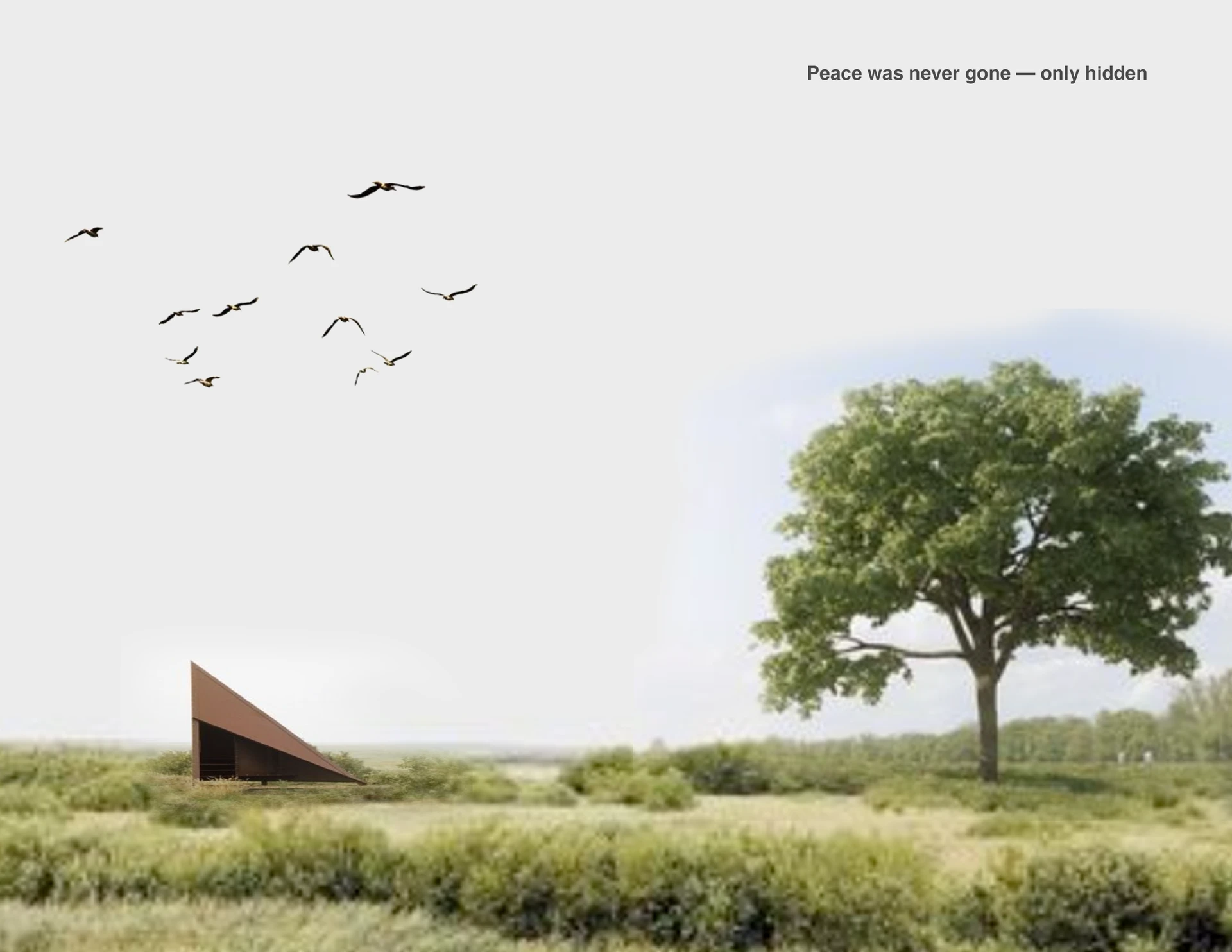
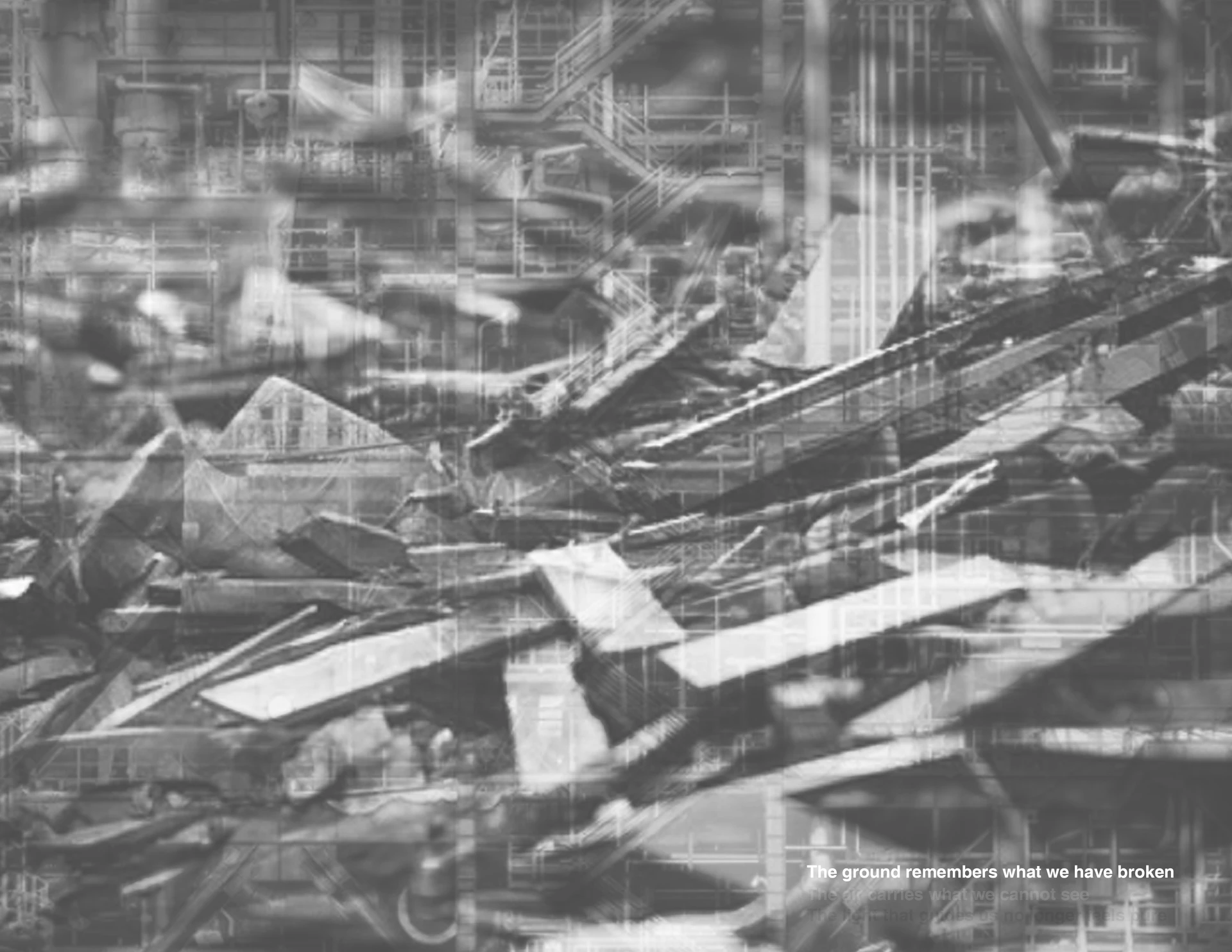
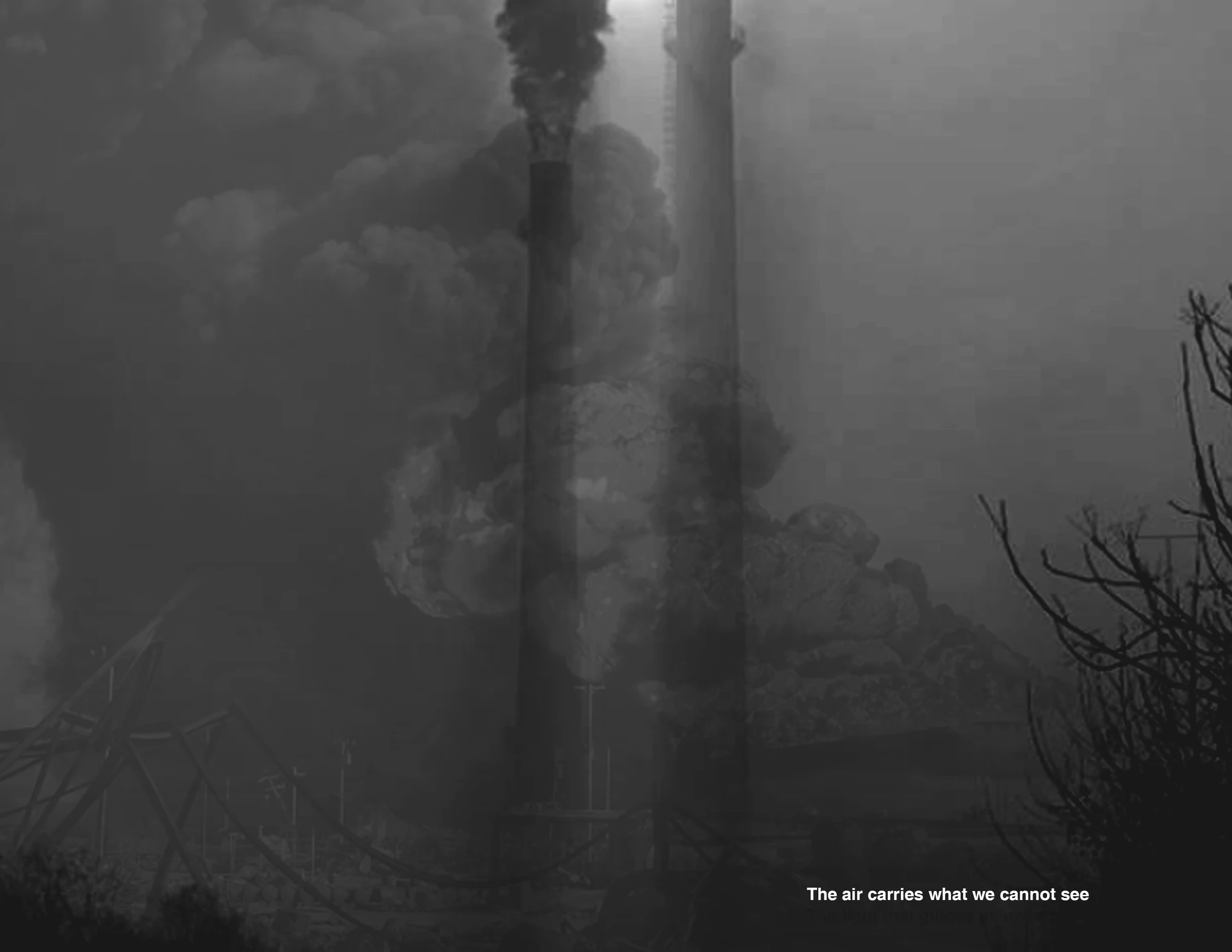
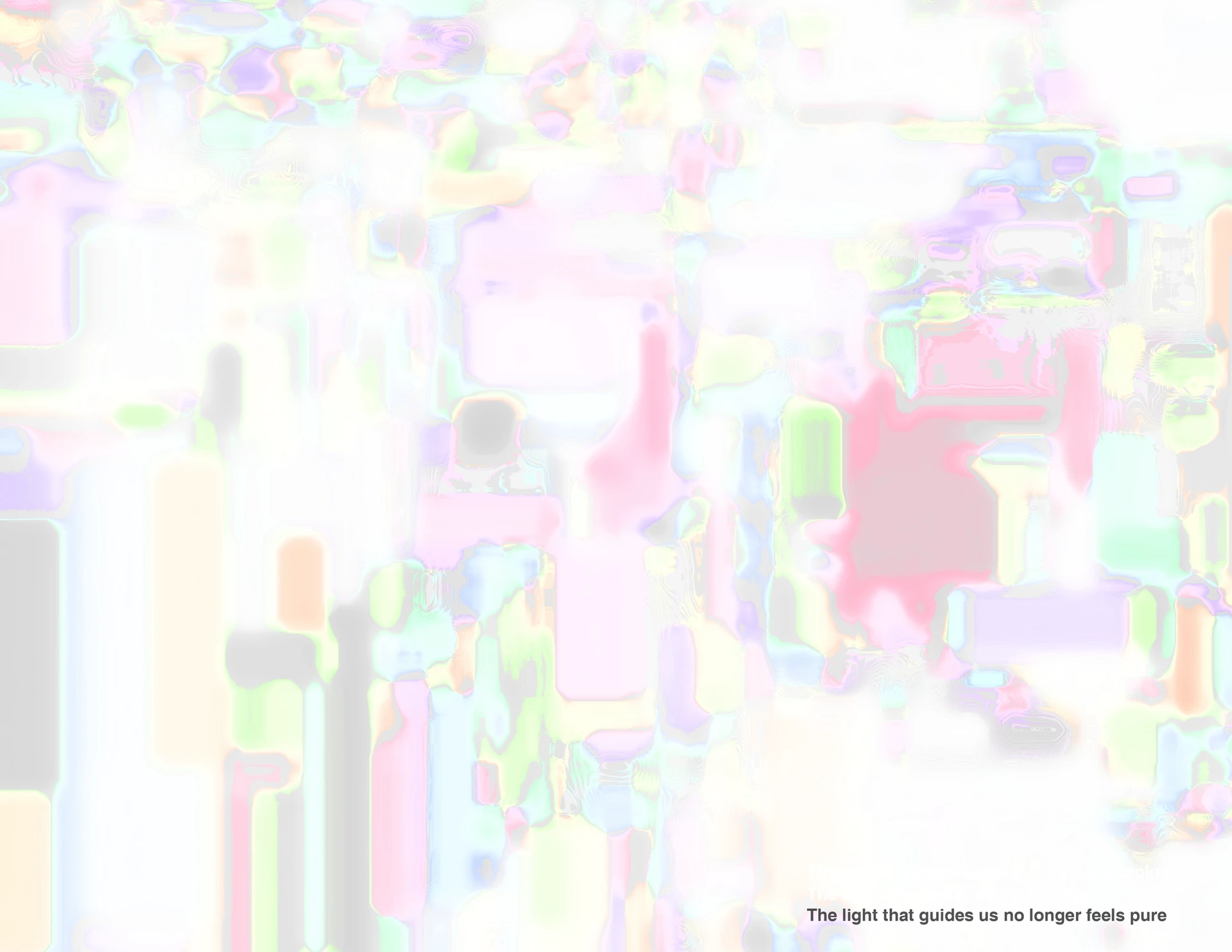
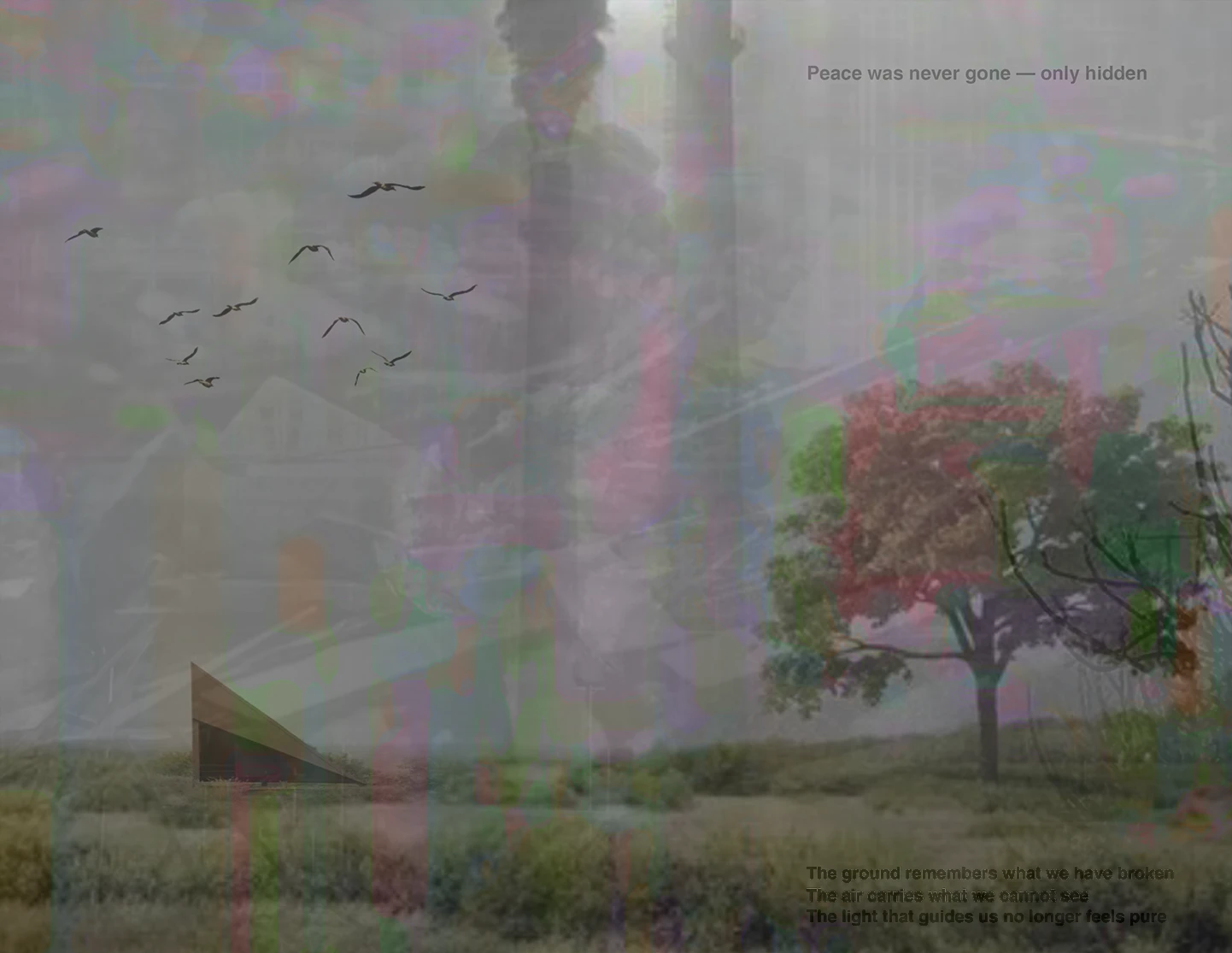
As these layers accumulate, light passing through the system becomes diffused, fragmented, and unstable. The viewer no longer observes a clear image but experiences a condition of visual suffocation where perception itself is obstructed.
This act of uncovering creates a temporal sequence from clarity to obstruction to recovery, transforming the installation into a process rather than a static image.
001Footprints
Move across the paper to reveal its reverse.Tap the painting to reveal its reverse.
002Felt Impacts
Move across the paper to reveal its reverse.Tap the painting to reveal its reverse.
003Futures
Move across the paper to reveal its reverse.Tap the painting to reveal its reverse.
DON’T LET THE FIRST TWO BURY THE LAST.
I. Footprints
The sediment of human making
Every act of construction leaves a trace — not only in the ground but in matter, energy, and memory
Footprints becomes an archaeology of the Anthropocene — an excavation of progress layered, extracted, fossilized
Through fragments and residues of labor the viewer walks a terrain where every cut and every surface is both human and planetary
II. Felt Impacts
When change becomes sensation
Environmental change is no longer distant — it is breathed, lived, and felt
Felt Impacts transforms invisible air into haze, vibration, temperature, and sound
Pollution becomes not information but pressure
To sense is to participate — to feel is to acknowledge that we, too, belong to this atmosphere
III. Futures
Relearning how to sense and coexist
Futures is not about what comes next but about how we might sense again
After traces and pressures comes the soft repair — spaces that breathe, reflect, and grow
In a post-carbon world design becomes a form of care
Light, transparency, and organic matter speak of the Earth’s capacity to heal through sensitivity